Beyond the faucet: The people and careers that bring you water
When we turn on the faucet to fill a glass of water, we usually don't think about where that water came from, much less the people who work to keep the water flowing to our homes and businesses, while also ensuring our safety and that of our environment.
Like any product, from inception to reaching consumers, it takes many people to make it happen, including many behind-the-scenes individuals that most don’t realize are part of the process.
Getting water to communities begins with the water itself.
In pioneer days, settlers would locate their towns near rivers or would dig wells for water. But as the state grew and Texans learned that the climate regularly shifted between drought and seasonal flooding, the idea of building reservoirs to store large amounts of water during rainy seasons for use when it’s needed emerged.
Building a reservoir
Consider Possum Kingdom Lake.
Once funding was obtained to begin the process of building the first reservoir for the Brazos River Conservation and Reclamation District,
a team of highly skilled persons specializing in water resources, hydraulic systems, structural integrity, design, regulatory compliance,
and site assessment was needed to oversee planning, design, and construction.
In the late 1930s, Amberson Engineering Corporation of New York was a leader in dam design and construction in the United States.
The company was employed by the Brazos River Conservation and Reclamation District to design a dam that would utilize the naturally
occurring canyons that made up the upper Brazos River Basin. Expertise among the team required:
- Geologists who would identify the area most suitable for the site of the dam through field investigations, assessing the geological stability that would support the man-made dam structure.
- Soil scientists, who would work with geologists to perform site assessments, analyzing soil samples to understand its’ composition and quality, and recommend suitable construction methods and materials to prevent leaks and erosion.
- Civil engineers who would manage the project, including designing the nearly 13-story structure.
- Structural engineers who focused on the integrity of the dam and reservoir, ensuring it would remain strong enough to hold back tens of millions of gallons of water and remain secure for decades.
- Electrical engineers who would design the flow of electricity for lighting throughout the dam.
- Hydraulic engineers who focused on fluid mechanics and water distribution to ensure efficient flow.
- Construction engineers who would oversee the physical construction of the reservoir and infrastructure.
After more than 2 years of surveying and engineering design, construction on Possum Kingdom Lake began in May 1938 and was completed in March 1941.
Managing water needs
For the past 84 years, a team of individuals has supported the management and maintenance of the Morris Sheppard Dam at Possum Kingdom Lake,
as well as the structures that created Lakes Granbury and Limestone, and the management of water within those lakes,
while helping to maintain the environmental and ecological health of the Brazos River as it flows downstream.
Some of these professionals include:
- Reservoir managers who focus on managing the staff of dozens of employees that maintain the dam structure, grounds, public safety, trails and parks.
- Project managers, who oversee teams to complete infrastructure projects on time, including such things as gate replacements, pipeline expansions, and embankment improvements.
- Project engineers, who act as technical advisors and provide for design and maintenance and upgrade projects at the dams.
- Hydrologists, who oversee the movement and management of water as it flows through rivers, lakes, soil, and underground, and determine how and when to release water downstream.
- Maintenance staff, including welders, concrete specialists and divers who repair ageing infrastructure.
- Water Resource Planners, who assess community water usage and aid in planning for future demands and water supplies.
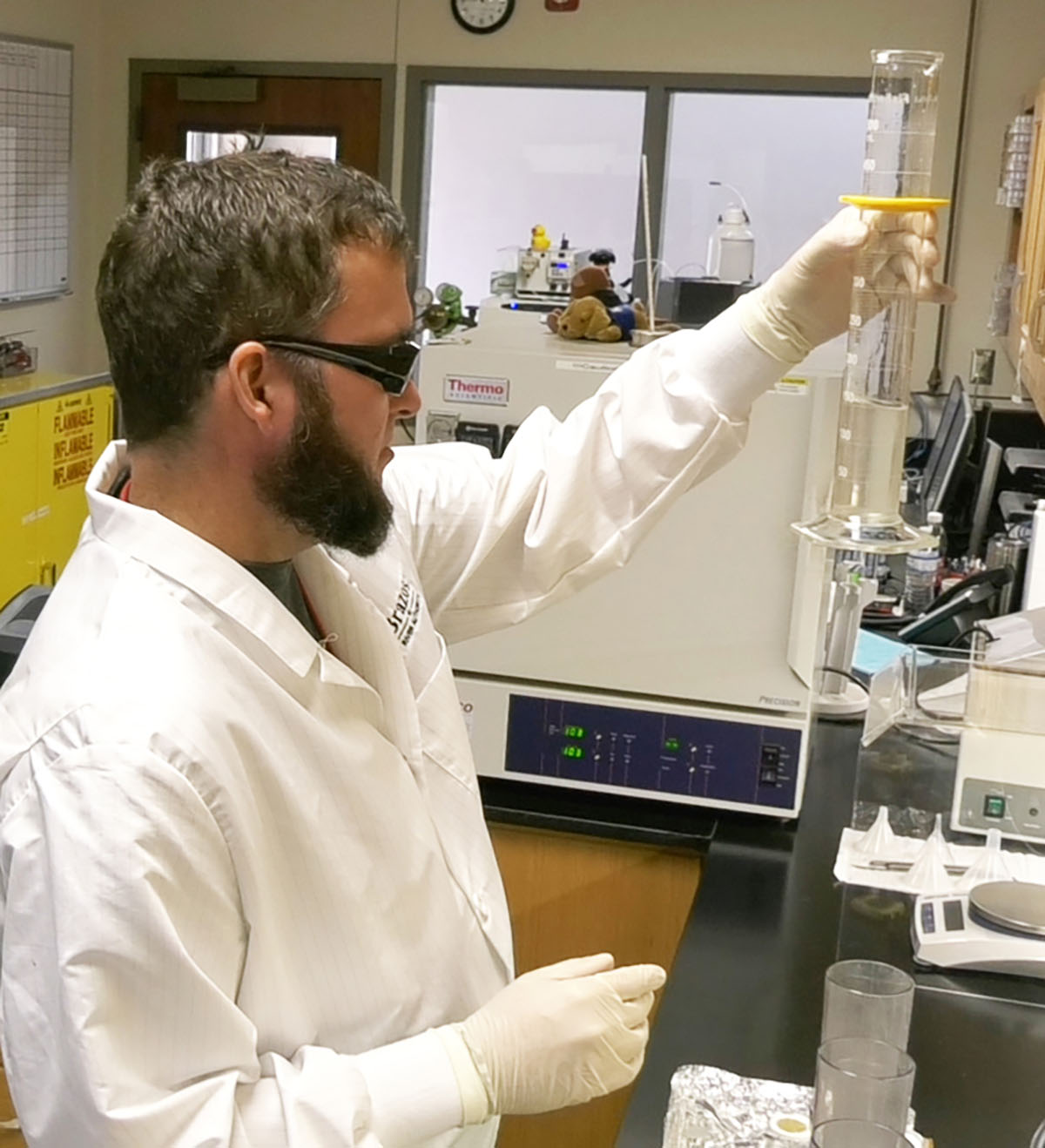
- Aquatic scientists and Laboratory Analysts, who physically assess the river, lakes, and wetlands via water and aquatic species sampling to understand and identify water quality concerns and the health of the watershed’s ecosystem.
- GIS coordinators, who use mapping technology to monitor land, water, and resources to assist in planning and properly managing projects.
- Lake Rangers who enforce safety rules, assist visitors, and oversee the water and land around reservoirs.
Providing clean water and treating wastewater
Once reservoirs are built and managed, the next step is to construct water treatment facilities that will take raw water from water supply reservoirs
and treat it
to meet state and federal safety standards for safe drinking water.
Within the Brazos River Basin, the BRA provides drinking water to a number of cities in
Williamson County,
currently operating a city-owned potable water treatment plant for Leander. In 2016, the BRA purchased a potable water treatment plant from the city of Taylor, expanding the plant's capacity to continue providing water to Taylor, the Jonah Water Special Utility District, and the Lone Star Regional Water Authority. The process is overseen by:
- Plant Operators who hold an operator's license from the state after undergoing training and passing a Texas Commission on Environmental Quality exam for Class D, C, B, or A licensure.
- Pipeline specialists who monitor water transmission from the lakes to the treatment plants and then on to the customers served, while coordinating and making repairs as necessary.
Wastewater Treatment
Once water is used, it is again moved by pipelines from homes, businesses and industry to wastewater treatment facilities that will clean the water and send it back into our waterways.
The Brazos River Authority began operating a regional water system for the cities of Temple and Belton and later for the Waco Metropolitan area, Sugar Land and the cities of Clute and Richwood, beginning in the early 1970s.
The wastewater treatment process is also overseen by:
-
Plant operators holding TCEQ licenses that are different from those working in potable (drinking) water treatment. These professionals also ensure compliance with state and federal clean water standards.
-
Maintenance crews. Maintaining these plants is a large and critical task. Maintenance crews must contend with pipeline blockages caused by non-flushable items, chemicals dumped into the system and fats, oils and grease that create barriers, clogging pipes and disrupting the cleaning process. They also repair pumps and motors that keep these systems running. Without these professionals, our wastewater systems would come to a halt.
As part of the wastewater treatment process, the BRA maintains an active industrial pretreatment program, helping businesses and industry meet state standards set by the Texas Commission on Environmental Quality and the Environmental Protection Agency by pre-treating wastewater before it reaches treatment plants, potentially disrupting the treatment process. Employees specializing in industrial pretreatment work with these organizations to control, reduce, and prevent potentially harmful pollutants from entering both wastewater and stormwater collection systems.
Environmental
Many people are not aware that the Brazos River Authority’s mission is to develop, manage and protect the waters of the Brazos River Basin. Beyond ensuring that the water is available to cities, industry and agriculture, the BRA works to ensure that the watershed itself remains healthy.
The Texas Legislature created the Clean Rivers Program in 1991 with the passing of the Texas Clean Rivers Act. The state designated the Brazos River Authority as the lead agency to conduct water quality assessments and Clean Rivers Program (CRP) planning in the Brazos River watershed. Every one to three months, the BRA tests water for everything from temperature and salinity to dissolved solids and chemical contaminants at more than 150 sites.
The BRA employs several levels of scientists and staff members holding degrees in Biology, Chemistry, Limnology, Ecology, and Environmental Science. Their job is to inspect the environment and collect water quality samples that are then tested and evaluated by laboratory scientists to help determine the health of the environment and report their findings to the TCEQ, TWDB, TPWD, the U.S. Environmental Protection Agency and the U.S. Fish and Wildlife Service.
Support Staff
All aspects of providing water to communities, from reservoirs to wastewater treatment plants, involve many employees working on-site to maintain facilities, answer phone calls, and process payroll. Some of these positions require college or technical degrees, while others require a high school diploma with the opportunity to earn certifications.
Beyond water-related training, many other support roles are required at a river authority. Some of the skilled trades employed by the BRA include:
General maintenance and repair staff that maintain facilities and equipment.
Electricians who install and repair electrical systems that supply power to pumps and other water equipment.
Hardware and software technicians that manage systems that monitor and control lake level gauges and help control our dams (SCADA).
Mechanics who maintain and repair engines, pumps, and other equipment used for moving and processing water.
Welders who use heat to join or repair metal pipes and equipment in water systems.
Others Behind the Scenes
Supporting the services provided by river authorities are the many employees required to run businesses in Texas, including:
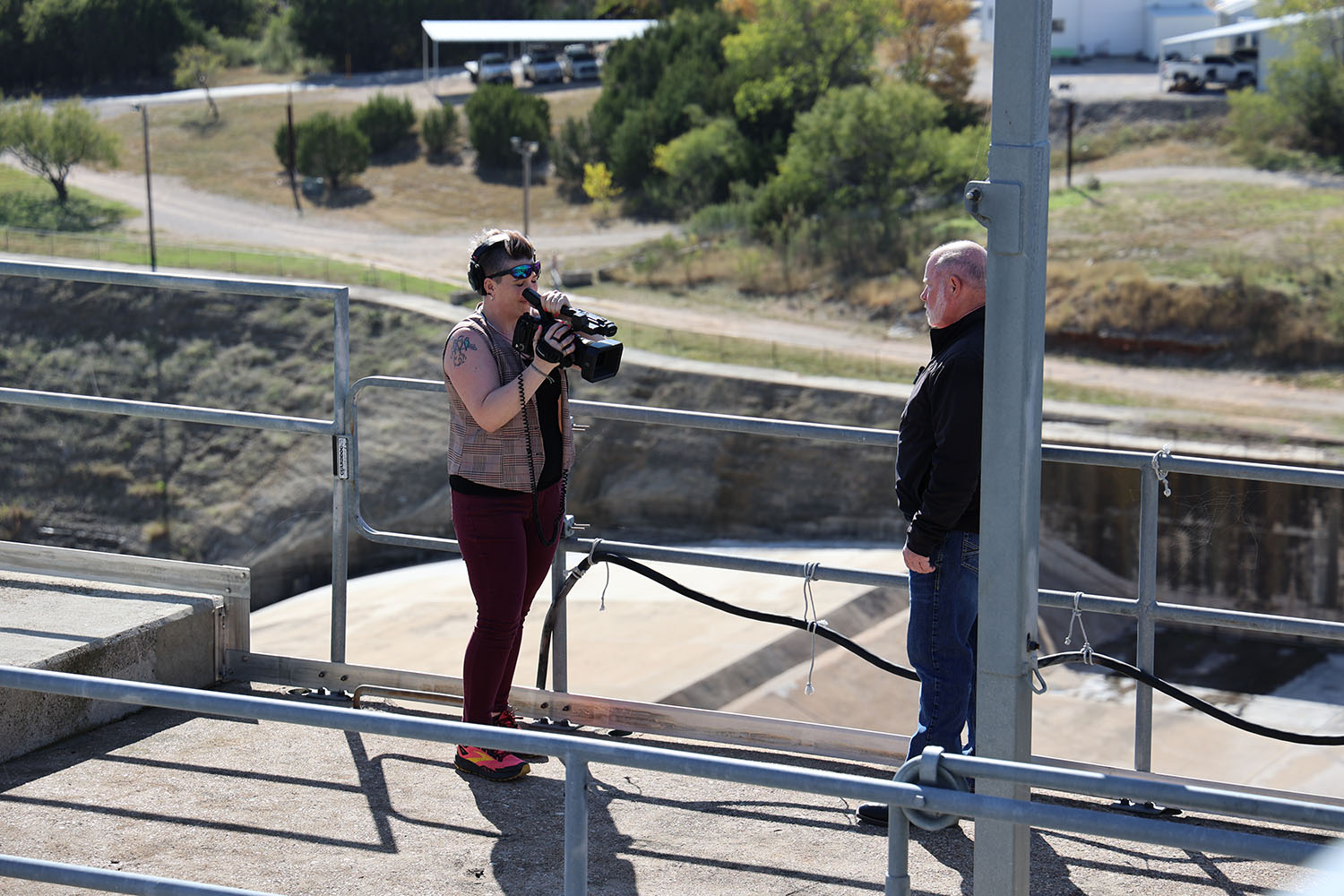
Safety Coordinators who ensure the safety of workers and the public around and near water projects and facilities.
Accountants and other financial professionals who manage money, budgets, and spending for water projects and utilities.
Purchasing staff who ensure equipment, supplies, and services needed for water systems to operate are readily available.
Technology staff who ensure computer systems, networks and technology used by water facilities are functioning and secure.
Human Resources staff who hire, train, and support staff who keep water services organizations running smoothly.
Property and Land Administrators who work to manage and preserve land for reservoirs, pipelines, conservation, or future water projects.
Emergency Managers who coordinate responses to floods, droughts, and other disasters to keep communities safe.
Public Information staff who educate the public about water issues and share accessible information in ways people can understand.
Legislative and Government Affairs staff who communicate with lawmakers and government leaders to explain water issues.
Legal staff who specialize in water laws, policies, and contracting.
Strategic Planning staff that research, develop, implement and monitor long-term projects for the BRA, including the addition of new reservoirs and pipelines.
Administrators who oversee the organization and keep it functioning.
All of these jobs have a single goal: helping ensure there is enough clean water for people, communities, and the environment. With issues like population growth, industrial development, and drought, the need for water professionals is greater than ever.
The Brazos River Authority wouldn't exist without the highly skilled individuals whose careers and passions have led them to an organization dedicated to developing, managing, and protecting the water resources of the Brazos River Basin.
Water touches nearly every part of our lives. We drink it, use it to grow food, generate energy, and protect the environment. Because water is essential, studying it, caring for it, ensuring it stays clean, is properly distributed, and is safely processed, is a process every human needs to survive.
If you're interested in science, technology, the environment, or community service, a water-related career might be a good path to explore. And, if you're looking for a purpose-driven, stable, in-demand, and recession-proof career, the water industry might be a good option.
So, whether you're learning about them for the first time or thinking about making one of these careers your future, check out the Occupational Information Network for information on careers that are involved in bringing water into your home.